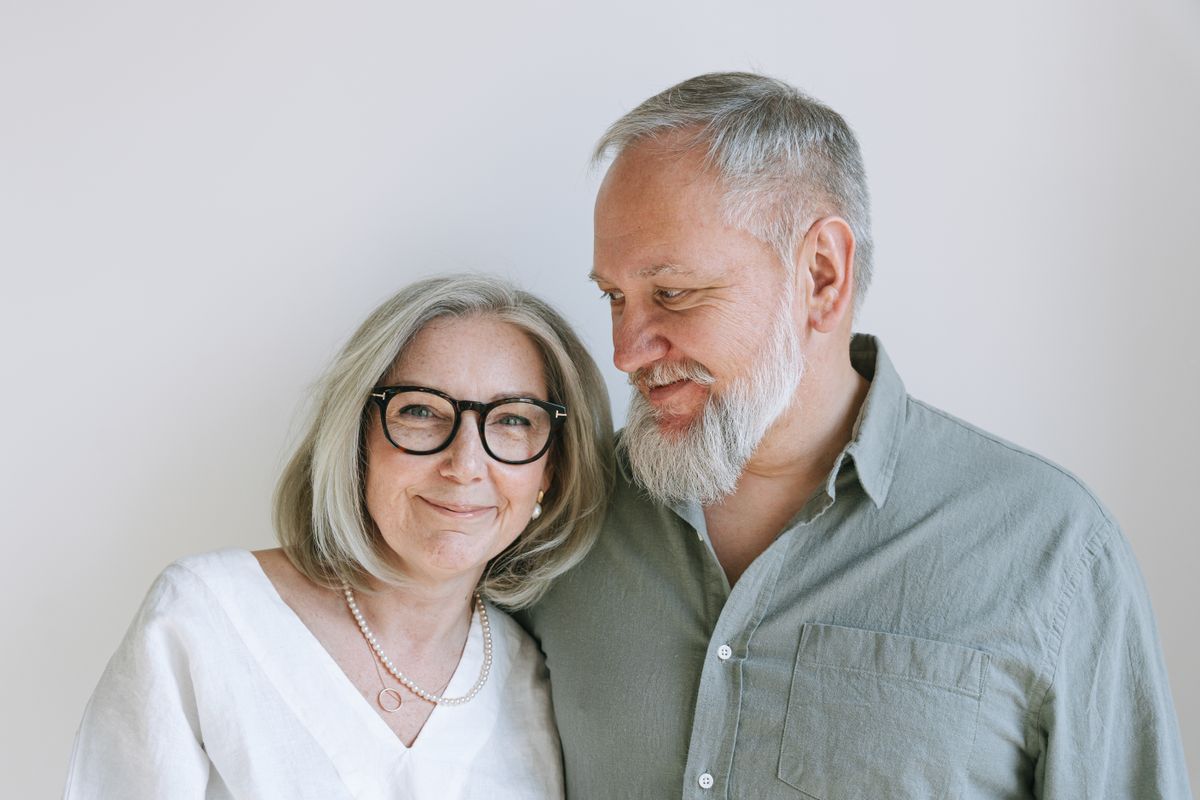
Photo: Pexels/Ivan S
Your father has stopped asking for his favourite sabzi. Your mother says she isn't hungry at dinner, then picks at the softest roti on the plate. It's easy to put this down to age. More often, it's a mouth problem nobody has said out loud. This guide is for families looking after elderly parents in Kharghar. At Dr. Pithadia's Dental & Healthcare Clinic in Sector 14, we'll walk you through what to watch for, what to fix, and what can wait.
The Quiet Signs a Parent Is Struggling to Chew
Older people rarely announce a dental problem. They adjust. They cut food smaller, switch to dal and khichdi, skip the apple, and tell you they're fine. By the time they mention it, the habit has usually been in place for months.
So watch the plate rather than waiting for a complaint. Is a parent avoiding foods they used to enjoy? Chewing on one side only? Eating much more slowly, or leaving meals half finished? Wincing at hot or cold drinks? Any of these is worth a conversation, and a dental check is a reasonable next step.
This is not a rare situation. A national oral health survey by the Dental Council of India, using data collected between 2001 and 2004, found that nearly 30% of people aged 65 to 74 had lost all their natural teeth (summarised here). That figure is older now, but it shows how common tooth loss is in this age group. If your parent is dealing with it, they are far from alone.
Loose Dentures in Elderly Parents: Why They Slip
If your parent already wears dentures, a loose fit is the most common reason eating becomes a chore. It rarely means the denture was badly made. The gums and jawbone under a denture keep reshaping slowly after teeth are lost, so a denture that fitted well five years ago can start to rock, click or rub today.
Here is what we'd suggest you look for:
- The denture moves when your parent talks or laughs
- They've started using a lot of adhesive, or reaching for it more often
- Red, sore patches on the gums, or a spot that keeps rubbing
- A cracked base or a tooth that has come loose
Adhesive is a plaster, not a fix. A denture that has stopped fitting usually needs a reline or an adjustment, and sometimes a new one. Our guide to denture repair in Kharghar explains how to tell which. If a parent is choosing dentures for the first time, this comparison of denture types is the better place to start. And if you'd like to see what we do for dentures in general, our dentures service page has the details.
Dry Mouth, Sore Gums and Mouth Sores: What to Check at Home
You don't need any equipment for a basic look. Choose a well-lit moment, ask your parent to open wide, and check gently. You're looking for anything that has changed, not making a diagnosis.
Dry mouth. A sticky, dry feeling is common in older age. Many regular medicines, including some used for blood pressure, allergies and low mood, can cause it. A dry mouth makes dentures harder to wear and teeth more prone to decay. Please don't stop any medicine on your own. Mention it to your parent's doctor and to us, and we can suggest ways to keep the mouth comfortable.
Sore or bleeding gums. Gums that bleed when brushed, look swollen, or have pulled back from the teeth should be looked at. Our post on gum disease treatment in Kharghar explains why we check gum health before anything else.
Sores and patches. A sore from a rubbing denture usually settles once the denture is adjusted. A mouth sore that hasn't healed in about three weeks, or a white or red patch that doesn't go away, should be seen by a dentist or doctor without waiting.
What doesn't need a dentist yet
Not everything calls for an appointment. A stained tooth with no pain, a small chip that isn't sharp, or the occasional bit of morning dryness can usually wait for the next routine check. Booking a visit for every small change can also exhaust a parent who finds travel difficult. We'd rather you save the trip for the things that matter.
Missing Teeth in Seniors: Do They All Need Replacing?
Here is our honest view. Trouble chewing in later life is usually a fit and function problem, not an age problem, and a lot of it can be improved. Fixing the fit of a denture, replacing a few key teeth, or adding implant support to a lower denture can change how comfortably someone eats.
That said, not every gap needs filling, and not every parent should be put through treatment. If your parent eats well, has no discomfort and a gap is out of sight at the back, leaving it alone can be perfectly sensible. Treatment also has to suit the person: their general health, their medicines, how much they can cope with, and what they actually want. Age on its own is not a reason to say no, and it isn't a reason to push either.
This is where seeing a prosthodontist helps. Dr. Urvashi Pithadia, BDS, Prosthodontist and Cosmetic/Aesthetic Dentist with 9 years of experience, plans how the whole mouth works together, not just the tooth in front of her. For some parents, that means a simple adjustment. For others, a conversation about dental implants to steady a denture is worth having. Our American College of Prosthodontists reference has more on denture options if you want to read ahead.
Dental Care at Home in Kharghar When Travel Is Hard
For some families, the real barrier isn't the treatment. It's getting a frail or unwell parent to a clinic. If your parent finds travel difficult because of age, mobility or recovery from illness, Dr. Pithadia's Dental & Healthcare Clinic offers denture care at home across Kharghar and Navi Mumbai. Consultations, impressions, fittings and adjustments can all be carried out in their own home.
It won't suit every situation. Some treatment, such as a surgical procedure, needs to happen at the clinic. But for a large part of everyday denture care, a visit at home means your parent stays comfortable and you don't have to rearrange your day around a long trip. If you're unsure which applies to your parent, message us and we'll tell you honestly.
Frequently Asked Questions
How often should elderly parents see a dentist?
There is no single schedule that fits everyone. Many older adults do well with a check about every six months. People with gum disease, dry mouth or dentures that keep needing attention may need to come more often. Dr. Urvashi Pithadia will tell you what suits your parent after the first visit.
Is it too late for dentures or implants at 75 or 80?
Age alone doesn't rule either one out. What matters is general health, the medicines your parent takes, and the condition of the gums and bone. Implants need more planning than dentures. Whichever route makes sense, we'll talk it through with you and your parent before anything is decided.
My mother says her old dentures are fine. Does she still need a check?
Probably yes. A denture can stop fitting gradually, and sore spots under it are often not felt until they get worse. A routine check lets us look at the fit and the gums underneath before a small problem turns into a painful one.
Can denture adjustments really be done at home?
Yes, for many cases. Our at-home denture service covers consultations, impressions, fittings and adjustments at your parent's home in Kharghar or elsewhere in Navi Mumbai. If a repair needs lab work or a visit to the clinic, we'll say so and plan it around your parent's comfort.
Which mouth sores should worry me?
A sore from a rubbing denture usually settles once the denture is adjusted. A sore or ulcer that hasn't healed in about three weeks, or a white or red patch that stays, should be seen promptly by a dentist or doctor. When in doubt, it's safer to have it looked at.
Is there a dentist for senior citizens in Kharghar who won't rush my parent?
Our appointments at the Sector 14 clinic are unhurried by design, and older patients are very welcome. Bring a family member along if your parent would like the company. If the trip itself is the problem, ask about our at-home denture service.
Book a Check-Up for Your Parent in Sector 14, Kharghar
If something on this list sounded familiar, there's no need to wait for a crisis. Dr. Urvashi Pithadia, BDS, Prosthodontist and Cosmetic/Aesthetic Dentist, will look at how your parent chews, how their dentures fit and how their gums are doing, then explain clearly what needs doing and what can wait. You'll find Dr. Pithadia's Dental & Healthcare Clinic at 21st Floor, Kamdhenu Commerz, 2101-2103, Above Zudio, Sector 14, Kharghar, Panvel, Navi Mumbai, Maharashtra 410210. We're open every day from 10:00 am to 9:00 pm. Message us on WhatsApp or book online.